Dulimarlanda: A Quirky Display Font for Small Brands
It was a Tuesday morning when I realized my bakery’s new seasonal menu looked exactly like the one from three years ago. The colors were fresh, the photos were crisp, but the text felt flat. It lacked that specific spark that makes a customer stop scrolling on Instagram or pause in the aisle to pick up a box of cookies. As a creative consultant who works with small business owners daily, I know that typography is often the missing link between a good product and a memorable brand. That is when I decided to test Dulimarlanda, a display font that promised to be both clean and a little bit quirky.
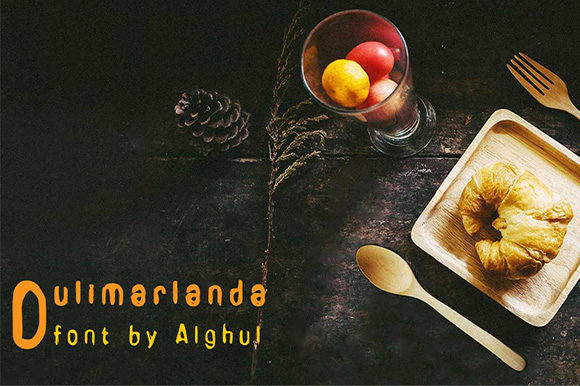
The moment I loaded Dulimarlanda into my design software, the difference was immediate. Unlike standard system fonts that feel generic, this typeface has personality without being overwhelming. It sits comfortably in the category of display fonts, meaning it is designed specifically to grab attention at larger sizes. For small businesses looking to elevate their visual identity without hiring an expensive agency, finding the right premium font can feel like finding a needle in a haystack. Dulimarlanda turned out to be exactly what many of my clients need to transform their branding materials.
Finding Personality in Your Brand Identity
When we talk about brand identity, we are talking about how your business feels to the customer. Is it corporate and stiff? Or is it warm, approachable, and human? Most small businesses fall into the latter category. They want to connect personally with their audience. This is where Dulimarlanda shines. Its character is distinct; it has a modern touch but retains a hand-crafted charm that feels authentic.
I tested the font on a mock-up for a local candle seller who wanted to refresh her labels. Her previous packaging used a basic sans serif font that was legible but forgettable. When I applied Dulimarlanda to the jar label, the entire product seemed to come alive. The letters have a slight irregularity that mimics the imperfection of handmade goods, yet they remain structured enough to look professional. This balance is crucial. You don't want your logo to look messy; you want it to look intentional. Dulimarlanda achieves this by offering a clean baseline while injecting just enough quirkiness to stand out in a crowded market.
This typeface is particularly effective for logo design. A logo is often the first thing a potential customer sees, and it needs to communicate your brand's vibe instantly. Whether you are launching a boutique clothing line, a coaching practice, or an artisanal food shop, Dulimarlanda provides a strong visual anchor. It tells the viewer that you care about details and that your brand has a unique voice.
From Packaging to Social Media Graphics
One of the biggest challenges for entrepreneurs is maintaining consistency across different platforms. Your website might look great, but do your social media graphics match? Does your packaging reflect the same quality as your online ads? Dulimarlanda serves as a versatile tool for creating this visual cohesion. Because it is a display font, it is best used for headlines, short phrases, and titles rather than long paragraphs of body text.
In a recent project, I helped a café owner update her entire visual suite. We used Dulimarlanda for the main headers on her new menu boards, ensuring the names of her signature drinks popped against the chalkboard background. We then took the same font for her Instagram story templates and the "New Arrival" banners on her website. The result was a unified look that made the business feel established and polished. Customers began commenting on how much they loved the "new look," unaware that the change started with a single typeface choice.
Beyond menus and websites, this font excels in packaging design. Imagine a skincare brand using Dulimarlanda on a thank-you card tucked inside a shipping box. The playful yet elegant style adds a personal touch that mass-produced brands often lack. It works beautifully on stickers, tags, and even the front of product boxes. For crafty DIY projects, such as customizing wedding invitations or creating event flyers, this font offers a level of sophistication that free alternatives simply cannot match.
Mastering Typography and Readability
While Dulimarlanda is visually striking, it is important to understand its limitations to use it effectively. As with any creative font, readability can suffer if the text size becomes too small. I always advise my clients to reserve this typeface for large-scale applications. On a mobile screen, a headline in Dulimarlanda will be sharp and engaging. However, trying to read a paragraph of terms and conditions in this font would be difficult for the user.
This brings us to the concept of font pairing. To create a balanced design, you need to pair Dulimarlanda with a more neutral typeface for your body copy. A clean sans serif font works exceptionally well here. The simplicity of a sans serif allows the quirks of Dulimarlanda to shine in the headlines without competing for attention. Alternatively, if you are aiming for a more editorial or high-end aesthetic, a classic serif font can provide a sophisticated contrast. Even a simple handwritten font could work for subheadings if you want to double down on the personal, crafty vibe.
When designing for print, such as business cards or flyers, ensure you have enough white space around the text. Let the letters breathe. The unique shapes in Dulimarlanda require room to be appreciated. If you are designing for digital ads, remember that users scroll quickly. Use the font to create a bold statement that captures attention within the first second. Whether it is a sale announcement or a new product launch, the visual weight of this typeface ensures your message isn't missed.
Practical Considerations for Business Owners
Before integrating any new design asset into your business workflow, there are practical steps to take. First, verify the licensing. Since Dulimarlanda is intended for commercial use, ensure you purchase the appropriate license for your specific needs. If you plan to sell products with the font printed on them—like t-shirts, mugs, or packaging—you must have a commercial font license. Using a font without the correct license can lead to legal issues down the road, which is a risk no small business should take.
Next, check the file formats and included styles. A robust premium font package usually includes various weights, alternates, and ligatures that give you more creative control. These extra characters can help you customize your logo further, perhaps adding a unique flourish to a specific letter. Also, consider multilingual support if your business targets a global audience. Ensuring the font supports the characters you need prevents awkward gaps in your text later.
Finally, think about how this font fits into your long-term strategy. Typography is not just about aesthetics; it is about perception. When customers see a consistent, well-designed brand, they perceive the business as trustworthy and professional. Dulimarlanda helps bridge the gap between a hobbyist and a serious entrepreneur. It signals that you value quality and attention to detail.
Whether you are updating your online shop banner, printing new tags for your boutique, or designing the next generation of your product labels, choosing the right typeface is a powerful decision. Dulimarlanda offers a perfect blend of cleanliness and character, making it an excellent choice for anyone looking to make their brand more memorable. In a world full of noise, let your typography speak clearly and confidently.